
Menu
Dental sedation is a safe and effective option for patients who feel anxious, fearful, or uncomfortable during dental treatment. If dental anxiety, a sensitive gag reflex, or fear of needles has kept you from getting care, sedation dentistry can help you relax and receive treatment comfortably.

We are always happy to answer your questions and provide guidance for all your dental care needs, with friendly support you can trust.

Main Street Dental Clinic makes it easy to book appointments online. Schedule your visit today and enjoy stress-free dental care!
Dental sedation uses medication to help patients relax during dental procedures. Unlike general anesthesia, sedation dentistry keeps you conscious and responsive, but deeply relaxed. This approach is often referred to as conscious sedation or “twilight sleep.”
Dental sedation is commonly recommended for patients with dental anxiety, fear of needles, sensitive gag reflexes, difficulty sitting still, or those requiring longer or more complex treatments.
Inhalation Sedation (Laughing Gas)
Oral Conscious Sedation
IV Sedation
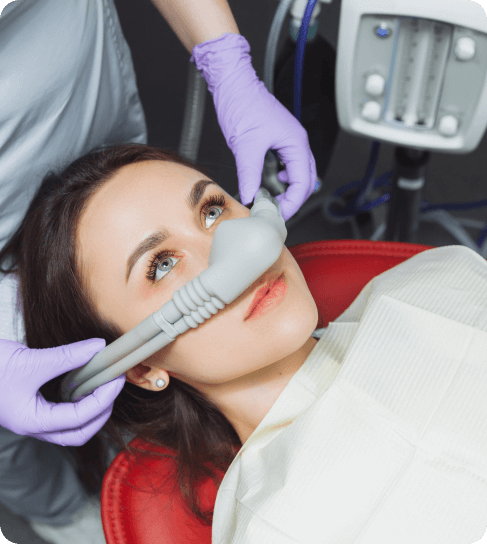
Sedation methods designed to keep you calm, relaxed, and responsive.
From mild inhalation to deeper IV sedation, tailored to your needs.
Helps anxious patients complete treatment comfortably and efficiently.
No, you remain conscious but deeply relaxed and comfortable throughout the procedure.
Yes, inhalation sedation is commonly and safely used for children during dental visits.
Only after inhalation sedation. Oral and IV sedation require a responsible adult to drive you home.
Sedation does not replace local anesthesia. Local freezing is still used to ensure comfort during treatment
Fill out the form below to request your appointment. We'll confirm your time and send you a reminder.