
Menu
Safe and comfortable wisdom teeth removal for impacted or painful third molars, relieving pressure, reducing infection risk, and protecting nearby teeth. Our care includes treatment for impacted teeth in the gum or jawbone, comfort-first sedation options for anxious or complex cases.

We are always happy to answer your questions and provide guidance for all your dental care needs, with friendly support you can trust.

Main Street Dental Clinic makes it easy to book appointments online. Schedule your visit today and enjoy stress-free dental care!
Wisdom teeth (third molars) are the last adult teeth to erupt, often between ages 17-25. In many Hamilton patients, there isn’t enough room for them to come in properly, causing impaction (stuck in the gums or jawbone) or partial eruption that’s hard to keep clean. This can lead to pain, swelling, bad breath, gum infection (pericoronitis), cavities, and damage to the tooth beside it. In some cases, a cyst can form around an impacted tooth and affect surrounding bone.
We assess your symptoms and take digital X-rays (often panoramic imaging) to see the tooth position, root shape, and proximity to nerves or sinuses. If removal is recommended, we explain the plan, anesthesia choices, timeline, and cost before moving forward.
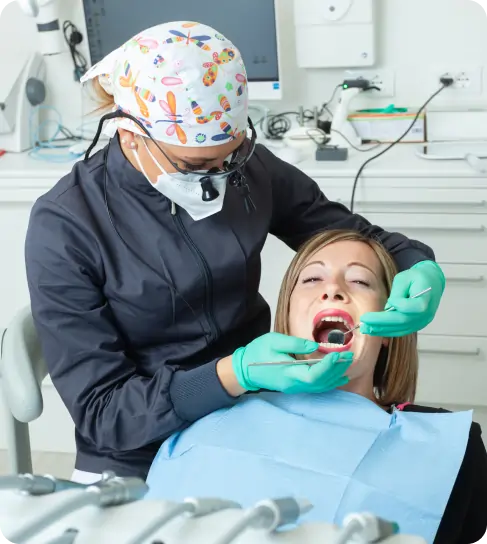
Removal for teeth trapped in the gums or jawbone, reducing pain, swelling and infection.
Comfort-first sedation options to help anxious patients stay calm during extractions.
Digital X-rays check roots and nerve proximity so removal is planned safely and clearly.
Not always. If they erupt fully, sit in a cleanable position, and don’t harm nearby teeth or gums, they may be monitored. Many still require removal due to impaction or hygiene issues.
Back-of-mouth pain, swelling, infection, bad taste, difficulty opening, recurring gum irritation, cavities around the wisdom tooth, or pressure on neighbouring teeth.
During the procedure, local anesthesia keeps you comfortable. Afterward, soreness is normal and is usually manageable with recommended medication and ice.
Sedation options may be available depending on your case, medical history, and procedure complexity.
Fill out the form below to request your appointment. We'll confirm your time and send you a reminder.