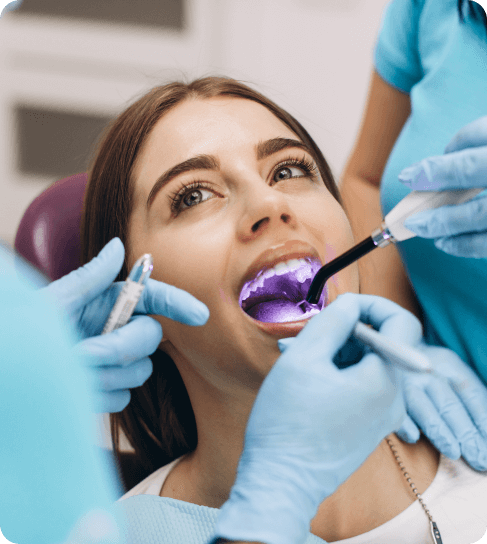


Dental bonding can improve small cosmetic issues with your teeth. It can help fix worn edges, small gaps, tooth marks, and uneven shapes. During the treatment, your dentist applies a tooth-coloured resin to improve the look of your teeth and create a more balanced smile.
Cosmetic dental bonding is a simple and gentle treatment. It usually does not require major changes to your natural teeth.
What Can Dental Bonding Fix?
Composite bonding can improve several minor tooth concerns, including:
- Small chips or cracks
- Small gaps between teeth
- Uneven tooth edges
- Irregular tooth shapes
- Minor stains or discolouration
- Worn or shorter-looking teeth
Your dentist will check your teeth, bite, and smile goals before recommending bonding. In some cases, another treatment may provide better results.
How Long Does Dental Bonding Take?
Dental Composite bonding can last for several years, but it is not permanent. Its lifespan depends on your bite, oral hygiene, diet, grinding habits, and where the bonding is placed. Regular dental visits help your dentist monitor the bonded area and repair or polish it when needed.
If overall tooth colour is the main concern, hamilton teeth whitening treatment may be considered before cosmetic bonding.
Benefits of Composite Dental Bonding
Dental bonding is a conservative way to improve your smile. It offers several benefits:
- Matches your natural tooth colour
- Requires little or no removal of tooth structure
- Repairs small chips and cracks
- Helps improve tooth shape
- Can close minor gaps
- Usually completed in one appointment
Dental Bonding vs. Composite Veneers
Dental bonding is mainly used to repair small areas of a tooth, such as chips, gaps, or uneven edges.
Composite veneers cover more of the front surface of teeth. They may be used when you want larger changes to tooth shape, colour, or overall appearance.
Although both treatments can use tooth-coloured resin, dentists for fillings use restorative material mainly to repair decay or structural damage.
Patients wanting a larger change to tooth colour and shape may consider veneers in hamilton instead of bonding.
Cost of Dental Bonding in Hamilton, Ontario
The cost of dental bonding in Hamilton depends on several factors. These include the number of teeth treated, the amount of resin needed, and the complexity of the procedure. A dental consultation is the best way to receive an accurate cost estimate.
Does CDCP Cover Dental Bonding?
CDCP coverage for dental bonding depends on the reason for treatment and current program rules.
Cosmetic bonding may not be covered. However, bonding needed for certain dental conditions may qualify. Your dental team can help you understand your coverage options.
How To Care for Bonded Teeth
Taking care of bonded teeth helps maintain their appearance and strength.
- Brush and floss daily
- Attend regular dental checkups
- Avoid biting hard objects like ice or pens
- Do not use your teeth to open packages
- Ask your dentist about a night guard if you grind or clench your teeth
If you have previously chipped a tooth during athletic activity, a custom mouthguard for sports can help reduce future trauma.