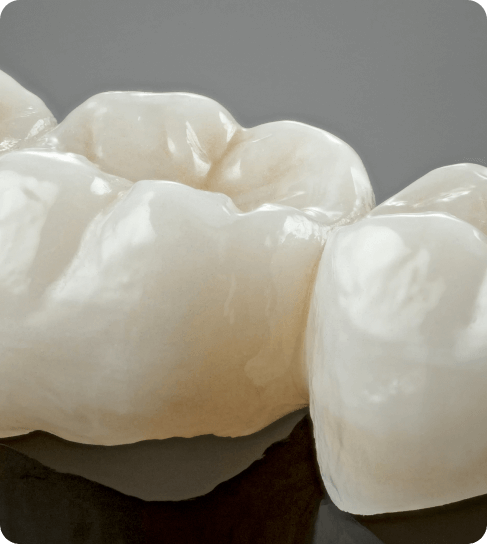


A dental tooth crown, sometimes called a cap, fits over a damaged or weakened tooth. It may be recommended when a filling or bonding cannot provide enough support or when a tooth needs protection after significant damage.
Each crown is shaped to fit your bite and restore the appearance and function of the treated tooth.
When Do You Need a Dental Crown?
A dentist may recommend a crown when there is not enough healthy tooth structure for a simpler restoration. Common reasons include:
- A cracked or broken tooth
- A tooth weakened by a large filling
- Significant tooth wear
- Extensive decay or damage
- A tooth that needs protection after root canal treatment
- A misshapen or severely discoloured tooth
- A dental implant that requires a final restoration
Your dentist will examine the tooth first to determine whether a crown or another restorative treatment is appropriate
Types of Dental Crowns
Different dental crown types provide different combinations of strength and appearance. Main Street Dental Office offers crown materials selected according to the tooth being restored and your individual needs.
Porcelain Crowns
Porcelain crowns provide a tooth-coloured appearance and can be a suitable option for visible teeth where aesthetics are important.
Zirconia Crowns
Zirconia offers high strength and durability and may be considered for teeth that experience greater chewing pressure.
E.max Crowns
E.max is an all-ceramic option designed to combine strength with a natural-looking appearance.
Porcelain Fused to Metal Crowns
PFM crowns combine a metal foundation with a tooth-coloured porcelain exterior for strength and appearance.
Gold Crowns
Gold crowns are known for durability and may be considered for back teeth where chewing strength is a priority.
Your dentist will recommend a material based on the tooth location, bite, appearance, and amount of remaining tooth structure
Dental Crowns for Front Teeth
Crowns can be used on front teeth that are badly damaged, weakened, misshapen, or significantly discoloured. Tooth coloured materials can be selected to match surrounding teeth and maintain a natural appearance.
For smaller cosmetic concerns, your dentist may determine that bonding or veneers are a more conservative option.
Smaller cosmetic concerns may sometimes be treated with dental bonding in hamilton instead of covering the entire tooth with a crown.
What Happens During a Dental Crown Procedure?
The dental crown procedure begins with an examination to confirm that the tooth can be restored with a crown.
1. Preparing the Tooth
The tooth is carefully prepared to create enough space for the crown. Local anesthetic is commonly used during crown preparation.
2. Impressions or Digital Scans
An impression or digital scan records the prepared tooth and surrounding teeth so the final crown can be made to fit your mouth and bite.
3. Fitting the Final Crown
A temporary crown may protect the tooth while the custom restoration is being made. Once ready, the final crown is checked for fit and bite before being securely cemented in place.
Smaller areas of tooth damage may be restored with dental fillings in Hamilton, while larger damage may need a crown.
Are You a Candidate for a Dental Crown?
You may be a candidate if your tooth is damaged but still has enough healthy structure to support a restoration. Your dentist will evaluate the tooth, gums, bite, existing fillings, and any signs of infection before recommending treatment.
If the tooth cannot be predictably restored, another option such as extraction and tooth replacement may need to be discussed.
When a front tooth is healthy but mainly needs cosmetic improvement, porcelain veneers in Hamilton may be more conservative than a full crown.
Dental Crown Before and After Results
Dental crown before and after results can show a clear improvement in tooth shape, colour, and strength. Before treatment, the tooth may look broken, worn, dark, or uneven. After the crown is placed, the tooth can look more natural and feel stronger. Final results depend on your tooth condition and treatment plan.
A damaged restoration may need crown treatment or professional dental bridge repair depending on which part is affected.
Cost of Dental Crown in Hamilton
The cost of a dental crown depends on factors such as the type of crown, tooth location, complexity of treatment, and whether additional dental work is required. A consultation can provide an accurate, personalized treatment estimate.
Does CDCP Cover Dental Crowns?
The CDCP may cover certain dental crown services when they meet the program’s eligibility and clinical requirements. Coverage depends on your specific circumstances, treatment needs, and current CDCP guidelines.
How Long Do Dental Crowns Last?
Dental crowns are designed for long-term use, but no crown lasts forever. Longevity depends on the crown material, bite forces, oral hygiene, tooth condition, and habits such as grinding or chewing hard objects.
Regular dental exams help identify wear, decay around the crown, or bite problems before they become more serious.
How to Care for Your Dental Crown
A crowned tooth still requires regular oral care. Plaque and decay can develop around the edge where the crown meets the natural tooth.
To protect your crown:
- Brush twice daily
- Clean between your teeth every day
- Attend regular dental exams and cleanings
- Avoid chewing ice or other very hard objects
- Tell your dentist if you grind or clench your teeth
Good care helps protect both the crown and the natural tooth underneath it.