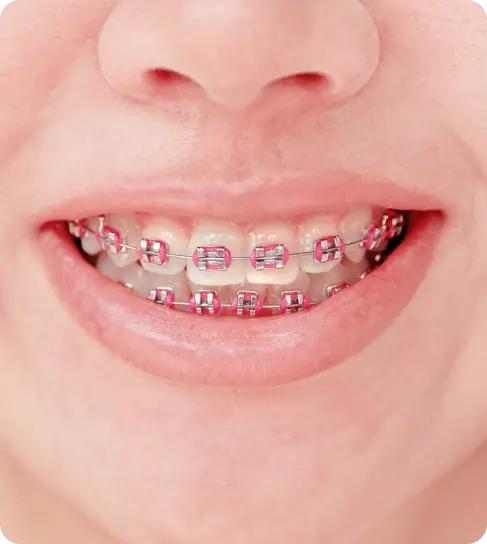


Dental braces use brackets and wires to apply gentle, steady pressure to the teeth. Over time, this pressure moves the teeth into better positions and can help improve bite alignment.
What Can Dental Braces Help With?
Orthodontic braces may help correct:
- Crooked teeth
- Crowded teeth
- Gaps between teeth
- Overbite
- Underbite
- Crossbite
- Open bite
- Uneven tooth alignment
- Certain bite problems
Your teeth, gums, bite, and jaw position are checked before treatment begins.
Adult Braces in Hamilton
Braces are not only for children and teenagers. Adults with crowded teeth, gaps, crooked teeth, and bite concerns may also benefit from orthodontic treatment. Before starting adult braces in Hamilton, your dentist will check the health of your teeth and gums. Existing dental problems may need attention before braces are placed.
Braces for Kids and Teens
Children and teenagers may need braces when permanent teeth develop with crowding, spacing, crookedness, and bite problems. An assessment helps determine whether treatment is needed now or should be monitored as the teeth and jaws continue developing.
What Happens During Braces Treatment?
Braces treatment usually includes:
- Dental examination and bite assessment
- X-rays, scans, photographs, when needed
- Braces placement
- Regular adjustment visits
- Progress checks
- Braces removal
- Retainer use after treatment
Your treatment schedule depends on your individual orthodontic needs.
Caring for Teeth With Braces
Good cleaning is especially important while wearing braces because food and plaque can collect around brackets and wires.
During treatment:
- Brush carefully around brackets
- Clean between your teeth daily
- Keep regular dental cleaning visits
- Avoid very hard and sticky foods
- Do not chew ice and hard objects
- Contact the dental office if a bracket breaks
Proper cleaning helps protect your teeth and gums throughout treatment.
What are the benefits of dental braces
Dental braces can improve both the position of your teeth and the way your bite fits together. Benefits may include:
- Straighter teeth
- Better bite alignment
- Reduced crowding
- Closing gaps between teeth
- Easier brushing and flossing
- Improved chewing
- Better overall smile appearance
Results depend on your teeth, bite, and treatment needs.
Braces vs. Clear Aligners
Traditional braces remain useful for many tooth and bite problems. Clear aligners use removable trays instead of fixed brackets and wires.
The better choice depends on your tooth position, bite, treatment needs, and ability to follow treatment instructions.
Main Street Dental Office can assess your teeth and explain whether braces or clear aligners may be suitable.
What Happens After Braces Are Removed?
Your teeth can shift after braces are removed. A retainer helps hold them in their new positions while the surrounding tissues settle. Your dentist will explain how often and how long your retainer should be worn.
Are Dental Braces Right for You?
You may benefit from braces if you have crowded, crooked, spaced teeth, or concerns about your bite. A dental assessment is necessary before treatment because braces are not suitable for every dental problem. Your dentist will check your teeth, gums, bite, and overall oral health before recommending treatment.