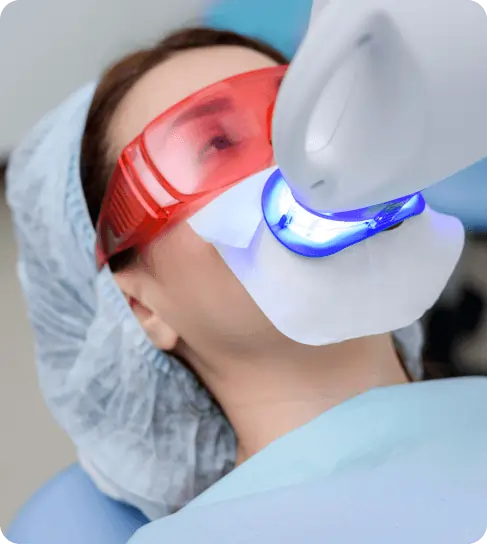


Teeth whitening is a cosmetic dental treatment that removes stains and discoloration from your teeth. Common causes include coffee, tea, smoking, aging, and certain medications. Stains can appear on the tooth surface or inside the tooth. Professional whitening targets both types safely and effectively.
Many patients ask about the best way to whiten teeth, and the answer depends on your tooth condition and goals. Before treatment, we examine your teeth and gums to ensure teeth whitening is safe for you. If needed, we recommend a dental cleaning hamilton first to remove plaque and improve results.
How Professional Teeth Whitening Works
Teeth whitening uses bleaching agents to break down stains and lighten natural tooth structure. It can be useful for discoloration caused by coffee, tea, red wine, tobacco and normal aging.
Not every type of discoloration responds equally. Your dentist can assess the cause of staining before recommending a cosmetic teeth whitening treatment.
Teeth Whitening for Sensitive Teeth
Temporary tooth sensitivity can occur during or after whitening. Patients who already have sensitive teeth should discuss this before beginning treatment.
Your dentist can assess the cause of sensitivity and determine whether the whitening method, treatment schedule or concentration needs to be adjusted. If tooth sensitivity continues without a clear cause, see a dentist before using whitening products.
When whitening alone cannot correct tooth shape, chips, or small gaps, cosmetic dental bonding may be considered.
Teeth Cleaning vs Teeth Whitening
Professional dental cleaning and teeth whitening serve different purposes. A dental cleaning removes plaque, tartar and some surface stains to support gum and tooth health. Teeth whitening uses bleaching materials to lighten the natural colour of the teeth.
If plaque or tartar is present, dental hygiene may be recommended before cosmetic whitening.
Teeth Whitening Before and After Results
Before teeth whitening treatment, teeth may appear yellow, dull, or stained. After treatment, they typically look brighter and more even in colour.
Results vary depending on the type of staining, enamel condition, and whitening method. Dental restorations such as crowns, veneers, and fillings do not whiten.
Teeth Whitening Cost in Hamilton
The teeth whitening cost depends on the treatment you selected and your individual needs. In-office treatment and custom take-home whitening have different treatment requirements.
An assessment allows our dental team to recommend the appropriate option and explain the associated cost before treatment begins.
Because teeth whitening is primarily a cosmetic dental treatment, insurance coverage may be limited. Check your individual plan for details.
How to Maintain Your Whitening Results
After whitening, simple habits help keep your smile bright:
- Avoid staining foods and drinks for the first few days after treatment
- Maintain good oral hygiene by brushing and flossing teeth daily
- Schedule regular dental cleanings to keep your smile healthy and bright
- Follow your dentist’s instructions carefully for proper long-term oral care
These steps help extend the results of your teeth whitening treatment.
Is Teeth Whitening Right for You?
If your teeth look yellow, dull, or stained, it may be time to improve your smile with professional whitening. A dental appointment hamilton can help you choose the right treatment for safe and effective results. A professional teeth whitening dentist near you approach ensures safe results, especially if you have sensitivity, existing dental work, or uneven discoloration.
Deep discoloration or changes in tooth shape may sometimes be treated with dental veneers in hamilton when whitening is not suitable