
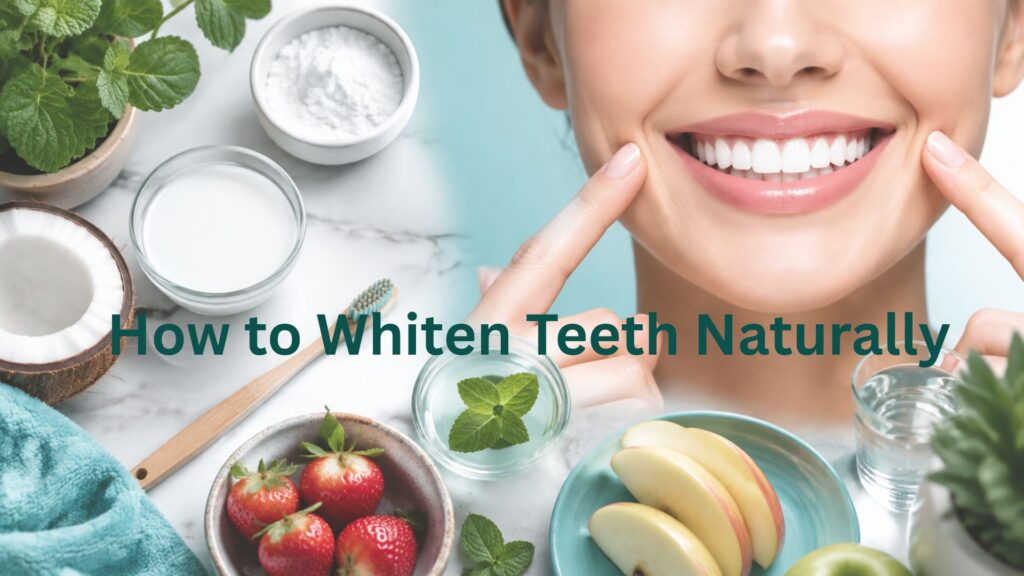
Want a brighter smile without immediately choosing professional treatment? Good teeth whitening dental care starts with understanding what causes discoloration and which at-home habits can safely reduce surface stains. Learn how to whiten teeth naturally using simple daily habits that can reduce surface stains, protect enamel, and keep your smile looking brighter.
What Causes Teeth to Become Yellow?
Why are my teeth yellow even though I brush every day? Several factors can cause teeth to look yellow despite regular brushing.
Common causes include:
- Coffee and tea
- Dark-coloured beverages
- Smoking and tobacco
- Plaque and tartar buildup
- Poor oral hygiene
- Certain foods
- Aging and natural enamel wear
- Intrinsic tooth discoloration
Natural Ways to Whiten Teeth at Home
There are several simple ways to keep your teeth looking cleaner and brighter at home.
Brush After Eating or Before Bed
Should I brush before or after eating dinner? In most cases, it is best to brush your teeth before bed, after dinner. Brushing removes plaque and food particles that build up during the day and helps keep your teeth clean overnight. If you have eaten acidic foods or drinks, wait about 30–60 minutes before brushing to help protect your enamel. Avoid brushing too hard, as aggressive brushing can irritate your gums and contribute to enamel wear.
Brush With Baking Soda to Whiten Teeth
Yes, baking soda may help make teeth look slightly brighter by gently removing some surface stains. However, it does not bleach the natural colour of your teeth.
How to Use Baking Soda on Teeth
If you choose to use baking soda, a simple approach is:
- Mix a small amount of baking soda with water to make a thin paste.
- Apply it gently with a soft-bristled toothbrush.
- Brush lightly without scrubbing hard.
- Rinse your mouth thoroughly afterward.
- Avoid using baking soda too often, as excessive or aggressive use may contribute to enamel wear or gum irritation.
Drink More Water
Water helps wash away food particles and residue from staining drinks. After coffee, tea, or other dark beverages, drinking water or rinsing your mouth with water can reduce how long staining substances remain in contact with your teeth.
Limit Staining Foods and Drinks
You do not necessarily have to eliminate coffee, tea, or other staining foods. Reducing how often they come into contact with your teeth can help limit discoloration. Tobacco should be avoided because it can stain teeth and negatively affect your oral health.
Should You Use Lemon Juice or Vinegar?
No. Acidic ingredients such as lemon juice and vinegar are poor choices for DIY teeth whitening. Repeated exposure to acids can weaken or erode enamel. Once enamel is lost, it cannot simply grow back. A brighter smile is not worth damaging the protective surface of your teeth.
Does Hydrogen Peroxide Whiten Your Teeth?
Yes. Hydrogen peroxide can whiten teeth and is used as a bleaching ingredient in many professional and at-home teeth whitening products. However, the concentration and length of exposure matter. Improper use or overuse may cause tooth sensitivity and gum irritation. For safer whitening, use products specifically designed for oral care and follow their instructions, or ask your dentist which option is appropriate for you.
Teeth Whitening and Bleaching: What’s the Difference?
Whitening and bleaching are often used interchangeably, but they can refer to different approaches. Whitening may involve removing or reducing surface stains, while bleaching uses peroxide-based ingredients to lighten the natural colour of teeth.
| Teeth Whitening | Teeth Bleaching |
|---|---|
| Can help remove or reduce surface stains and discoloration. | Uses bleaching agents to lighten the natural colour of teeth. |
| May improve stains caused by coffee, tea, tobacco, and certain foods. | Commonly uses hydrogen peroxide or carbamide peroxide. |
| May include whitening toothpaste and other stain-removing products. | Can provide a more noticeable change in tooth shade. |
| Results depend on the type and cause of discoloration. | Results depend on the product, concentration, exposure time, and individual teeth. |
| May be suitable for mild surface staining. | May be recommended when a person wants to lighten the natural tooth colour. |
Can Homemade Remedies Damage Your Teeth?
Yes. Some homemade remedies for teeth whitening can damage enamel or irritate your gums.
Be particularly cautious with:
- Lemon juice
- Vinegar
- Undiluted or improperly used peroxide
- Highly abrasive mixtures
- Frequent charcoal use
- Aggressive brushing
The goal of whitening should be a brighter smile without compromising enamel or gum health.
When Should You See a Dentist for Teeth Discoloration?
Consider seeing a dentist if your teeth become suddenly or unevenly discolored, especially if one tooth becomes darker. You should also seek dental advice if whitening causes significant sensitivity, gum irritation, or pain, or if stains do not improve with regular brushing and professional cleaning.
Frequently Asked Questions
How do I whiten my teeth fast at home?
There is no safe natural method that can dramatically whiten teeth overnight. Maintaining good oral hygiene, reducing staining foods and drinks, avoiding tobacco, and having regular dental cleanings can help reduce surface stains. For a more noticeable change, dentist-recommended whitening may be a better option.
Does coconut oil whiten teeth?
No, coconut oil does not actively whiten or bleach teeth. Swishing coconut oil, known as oil pulling, may help with some aspects of oral hygiene, but there is not enough strong scientific evidence to show that it changes the natural colour of tooth enamel.
What is the best way to whiten teeth?
The best whitening option depends on the cause of your tooth discoloration and the condition of your teeth. Good oral hygiene and professional dental cleaning can help remove surface stains. For a more noticeable change in tooth colour, dentist-recommended whitening products or professional whitening may provide more predictable results.
Can yellow teeth become white again?
Sometimes. Surface stains may improve with cleaning and whitening. However, yellowing caused by natural dentin showing through enamel or deeper intrinsic discoloration may not respond to simple home remedies. A dentist can help determine the cause of the discoloration and recommend an appropriate treatment.
Final Thoughts
The safest way to naturally whiten teeth is to focus on healthy dental habits rather than harsh DIY treatments. Brushing, flossing, limiting staining substances, drinking water, and maintaining regular professional cleanings can help keep your smile looking brighter.
If you want a more noticeable change, professional or dentist-recommended whitening can provide a safer and more predictable approach based on the condition and cause of your tooth discoloration.